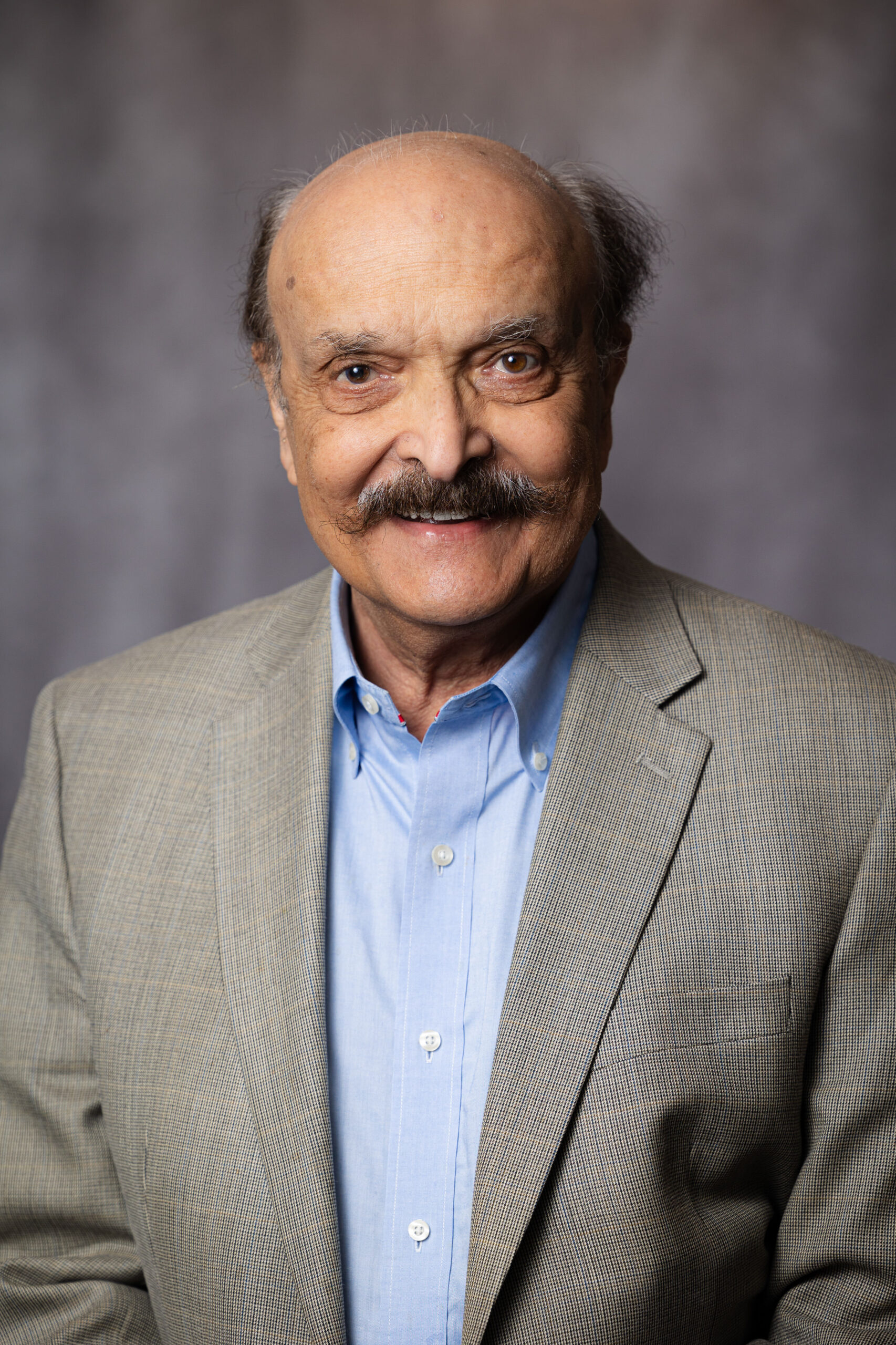
Prof. Surendra P SHAH
Walter P. Murphy Professor of Civil Engineering (Emeritus), Center for Advanced Cement-Based Materials, Northwestern University, USA & Distinguished Professor, IIT Madras, India
Prof. Surendra P SHAH
Walter P. Murphy Professor of Civil Engineering (Emeritus), Center for Advanced Cement-Based Materials, Northwestern University, USA & Distinguished Professor, IIT Madras, India
Piyush CHAUNSALI
Associate Professor, Dept. of Civil Eng., IIT Madras, India
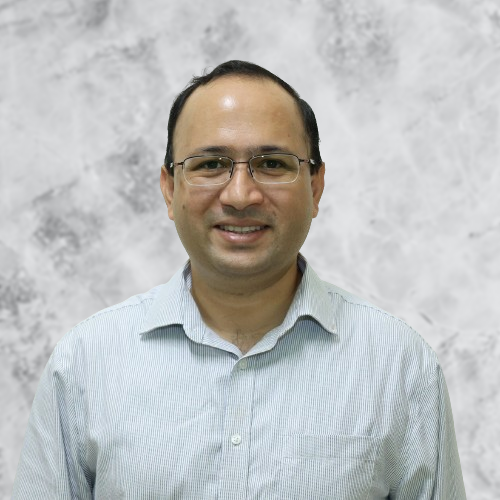
Piyush CHAUNSALI
Associate Professor, Dept. of Civil Eng., IIT Madras, IndiaDr. Piyush Chaunsali is an Associate Professor in the Building Technology of Construction Management Division of the Department of Civil Engineering at IIT Madras
Liberato FERRARA
Professor, Department of Civil & Environmental Engineering, Politecnico di Milano, Italy

Liberato FERRARA
Professor, Department of Civil & Environmental Engineering, Politecnico di Milano, Italy
Ashwin MAHALINGAM
Professor, Dept. of Civil Eng., IIT Madras, India
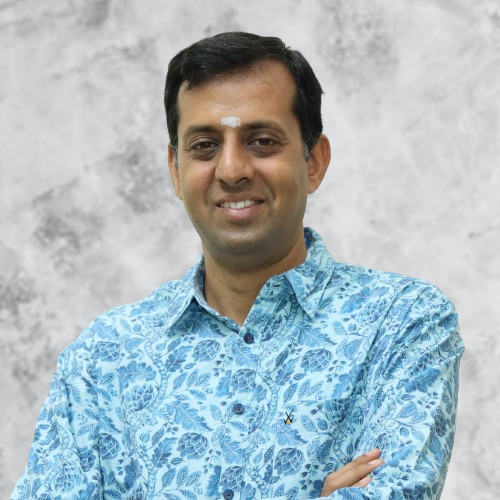
Ashwin MAHALINGAM
Professor, Dept. of Civil Eng., IIT Madras, IndiaDr. Ashwin Mahalingam is a professor in the Building Technology, Construction Materials, and Management (BTCM) Group, Department of Civil Engineering at IIT Madras.
Shravan MUTHUKRISHNAN
Group Leader, Concrete 3D printing, Institute of Construction Materials, & Faculty of civil Engineering TU Dresden, Germany

Shravan MUTHUKRISHNAN
Group Leader, Concrete 3D printing, Institute of Construction Materials, & Faculty of civil Engineering TU Dresden, Germany
Biranchi PANDA
Assistant Professor, Dept. of Mechanical Eng., IIT Guwahati, India
Biranchi PANDA
Assistant Professor, Dept. of Mechanical Eng., IIT Guwahati, India
Integrating Manufacturing into sustainable 3D printed concrete design
Integrating manufacturing into sustainable 3D-printed concrete design marks a fundamental shift in how we conceive and construct buildings. By uniting material science, digital design, and automated fabrication, we can dramatically cut embodied carbon, optimize resource use, and deliver structures with unprecedented precision. Advanced geometries—lightweight cores, bio-inspired forms, and integrated functional cavities—allow us to use less material while achieving higher performance. Real-time manufacturing control ensures consistency, reduces waste, and embeds services or insulation directly during printing. This convergence of design and manufacturing positions 3D-printed concrete as a transformative pathway toward scalable, resilient, and environmentally responsible construction.
Alva PELED
Professor, Dept. of Civil and Environmental Eng., Ben-Gurion University of the Negev, Israel
Alva PELED
Professor, Dept. of Civil and Environmental Eng., Ben-Gurion University of the Negev, Israel
Radhakrishna G PILLAI
Professor, Dept. of Civil Eng., IIT Madras, India

Radhakrishna G PILLAI
Professor, Dept. of Civil Eng., IIT Madras, IndiaDr. Radhakrishna G. Pillai is a Professor at the Building Technology, Construction Materials & Management Division and currently Head of the Laboratory (BTCM), Indian Institute of Technology Madras.
Johann PLANK
Professor of Construction Chemistry, Technical University of Munich, Germany
Pat RAJEEV
Professor, Dept. of Civil and Construction Eng., Swinburne University of Technology, Australia
Pat RAJEEV
Professor, Dept. of Civil and Construction Eng., Swinburne University of Technology, Australia
Marian Bosch-REKVELDT
Associate Professor in Project Management, Delft University of Technology, faculty of Civil Engineering and Geosciences, Netherlands
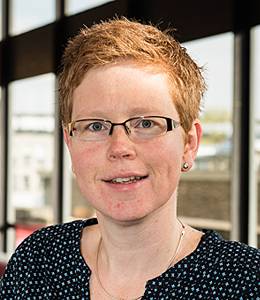
Marian Bosch-REKVELDT
Associate Professor in Project Management, Delft University of Technology, faculty of Civil Engineering and Geosciences, Netherlands
Gonzalo RUIZ
Professor of Materials Science and Civil Engineering, Universidad de Castilla-La Mancha, Spain
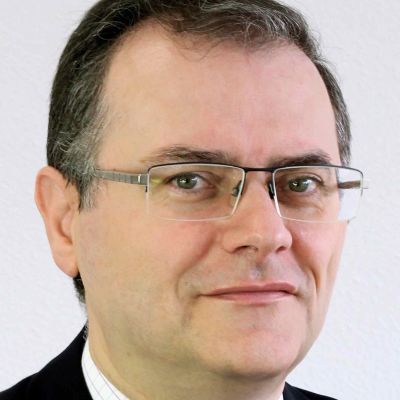
Gonzalo RUIZ
Professor of Materials Science and Civil Engineering, Universidad de Castilla-La Mancha, Spain
Leveraging SFRC compressive behavior for superior ductility and sustainability in composite structures
This presentation examines the influence of steel-fiber reinforced concrete (SFRC) on the ductility and sustainability of composite beams with embedded structural steel sections. Building on the SFRC compressive model incorporated in Annex L of Eurocode 2, we assess how its enhanced strain capacity improves global structural performance. Experimental tests show that SFRC achieves strains nearly three times higher than conventional concrete, enabling full utilization of structural steel’s tensile strength. Large-scale bending tests confirm exceptional rotational capacity and controlled crack propagation, with fibers maintaining tensile stress transfer under severe deformation. Beyond mechanical benefits, the efficient synergy between SFRC and steel reduces material waste and lowers carbon emissions by up to 40% at the structural level. These results highlight SFRC as a key material for next-generation composite systems, combining superior ductility with significant sustainability gains.Ir. L.L. olde Scholtenhuis
Associate Professor, Department of Construction Engineering & Management, University of Twente, Netherlands

Ir. L.L. olde Scholtenhuis
Associate Professor, Department of Construction Engineering & Management, University of Twente, Netherlands
Mirosław J. SKIBNIEWSKI
Professor, dept. of Civil & Environmental Eng., University of Maryland, USA
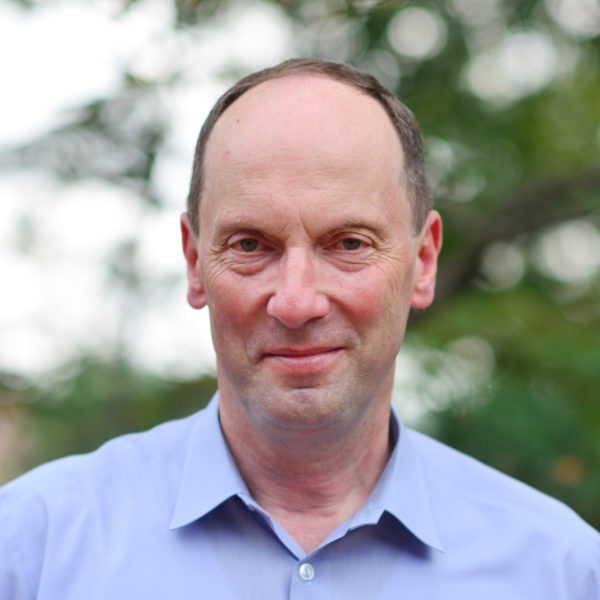
Kolluru V.L. SUBRAMANIAM
Professor, Dept. of Civil Eng., IIT Hyderabad, India
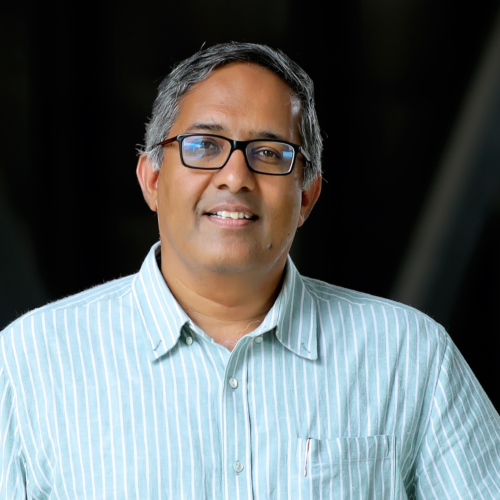
Kolluru V.L. SUBRAMANIAM
Professor, Dept. of Civil Eng., IIT Hyderabad, India
Kolluru V.L. SUBRAMANIAM
Professor, Dept. of Civil Eng., IIT Hyderabad, India
Prof. Surendra P SHAH
Walter P. Murphy Professor of Civil Engineering (Emeritus), Center for Advanced Cement-Based Materials, Northwestern University, USA & Distinguished Professor, IIT Madras, India
Prof. Surendra P SHAH
Walter P. Murphy Professor of Civil Engineering (Emeritus), Center for Advanced Cement-Based Materials, Northwestern University, USA & Distinguished Professor, IIT Madras, India
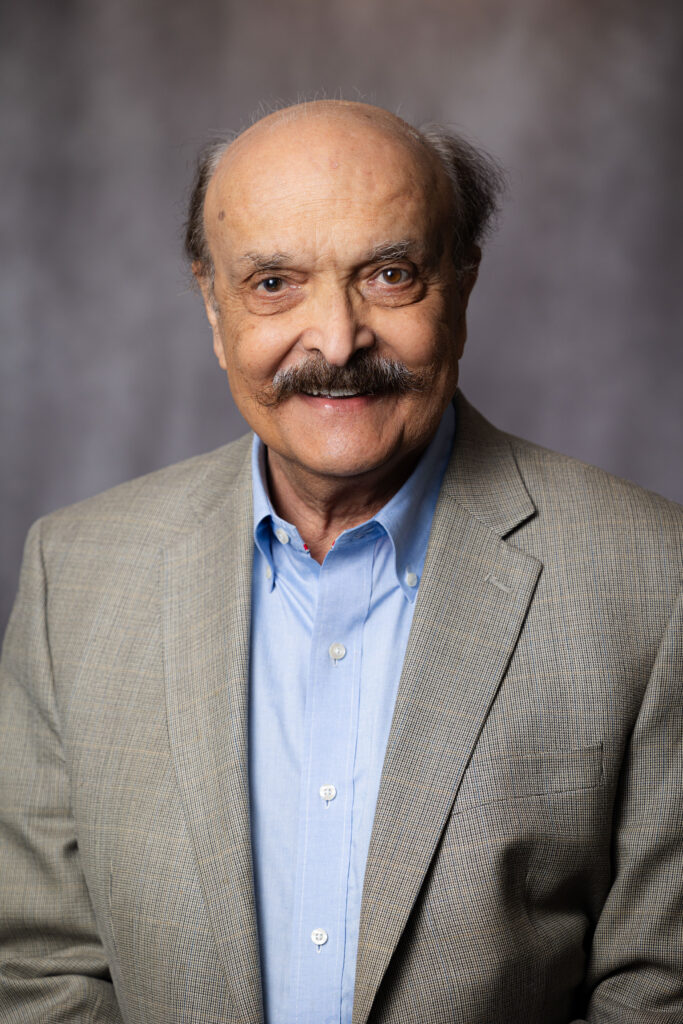
Prof. Surendra P SHAH
Walter P. Murphy Professor of Civil Engineering (Emeritus), Center for Advanced Cement-Based Materials, Northwestern University, USA & Distinguished Professor, IIT Madras, India
Carbon Conscious Concrete with Functional Materials
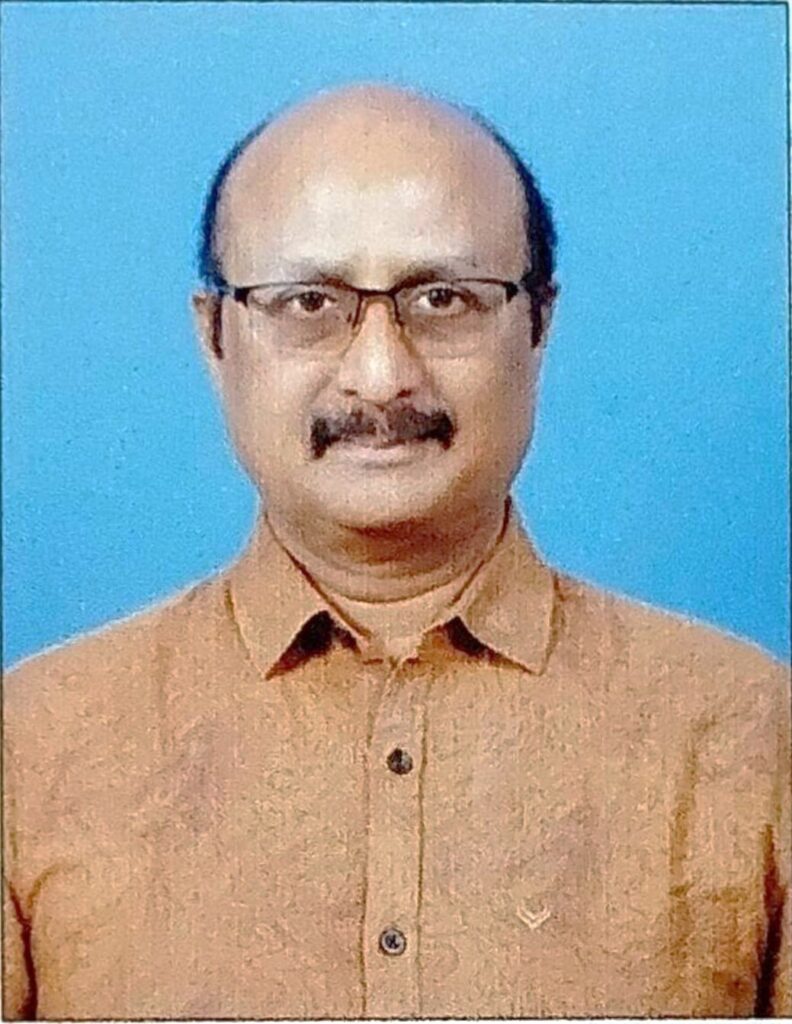
Sri Sai Baba ANKALA
Ex-Chief Engineer, Indian Railways
Challenges in the design and construction of expressway tunnels
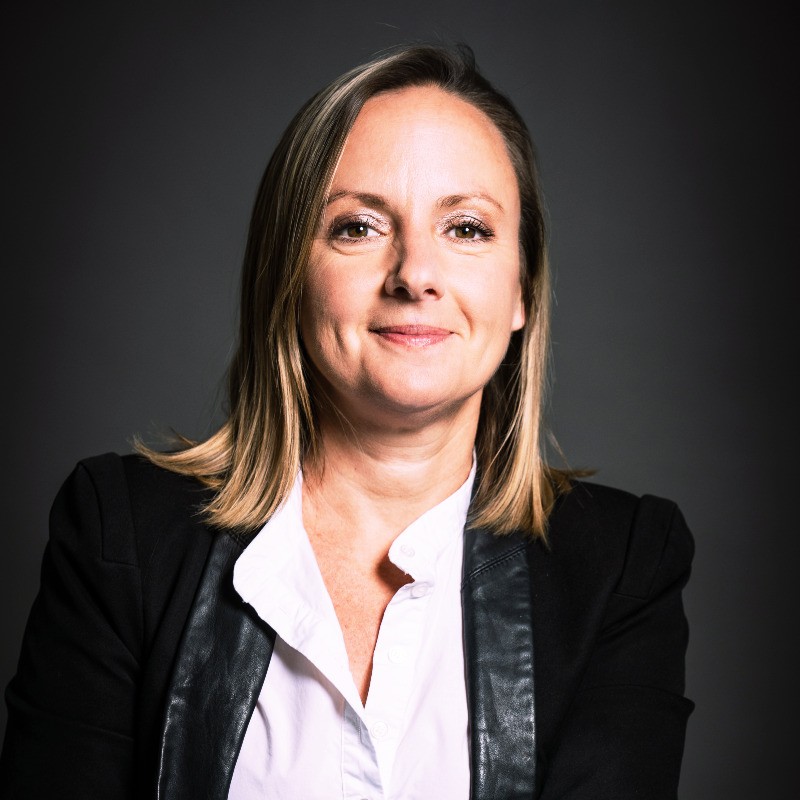
Alexandra BERTRON
Rector, INSA Toulouse, France
Biogeochemical interactions between cementitious materials & their environments in the context of the durability and sustainability of strategic civil engineering infrastructures.
Piyush CHAUNSALI
Associate Professor,
Department of Civil Engineering,
IIT Madras, India
Development of Calcium Sulfoaluminate-Belite Cement Using Industrial Wastes
Yuvaraj DHANDAPANI
Lecturer, University of Leeds, UK
Unlocking the Potential of Calcined Clay as a Manufactured SCM in the UK: Recent Advances and industrial Trials.
Liberato FERRARA
Professor, Department of Civil & Environmental Engineering, Politecnico di Milano, Italy
A holistic approach to the design of 3D concrete printing
materials and processes, combining experiments,
Computational Particle Fluid Dynamics modelling and AI-
driven experiments
Devin HARRIS
Professor of Civil Engineering, University of Virginia
Evaluation of In-Service Concrete Structures using Non-Destructive methods
Philippe JOST
Regional Manager Asia/Pacific and Member of Group Management, SIKA
Novel products and technologies to enable the decarbonization of the construction industry
Ashwin MAHALINGAM
Professor, Department of Civil Engineering, IIT Madras, India
Why Sustainable Technologies DO NOT get adopted
Barzin MOBASHER
Professor, School of Sustainable Engineering and the Built Environment, Arizona State University, US
Brittle to Ductile Transition Aspects of Reinforced
Concrete
Shravan MUTHUKRISHNAN
Group Leader, Concrete 3D printing, Institute of Construction Materials, & Faculty of civil Engineering TU Dresden, Germany
Outcomes of RILEM 304-ADC interlaboratory study on compressive mechanical properties of 3D printed specimens

Hanuman NAIK
Simpliforge Creations, India
Concrete 3D Printing under High-Altitude and Low-Oxygen (HALO)
Conditions Using Local Materials
Biranchi PANDA
Assistant Professor, Department of Mechanical Engineering,
IIT Guwahati, India
Integrating Manufacturing into sustainable 3D printed concrete design
Alva PELED
Professor, Department of Civil & Environmental Engineering,
Ben-Gurion University of the Negev, Israel
Advancing Concrete with Textiles: Sustainable & Durable Solutions
Radhakrishna G PILLAI
Professor, Department of Civil Engineering, IIT Madras, India
Corrosion assessment and service life design of concrete structure
Johann PLANK
Professor, Construction Chemistry, Technical University of Munich, Germany
Innovations in New Admixture Technologies for Low Carbon Binders
Pat RAJEEV
Professor, Department of Civil & Construction Engineering, Swinburne University of Technology, Australia
Printability to Performance: A Dual Assessment of 3D-Printable Concrete
Marian Bosch-REKVELDT
Associate Professor, Project Management, Delft University of Technology, faculty of Civil Engineering and Geosciences, Netherlands
Creating value by projects: fit for purpose project management
Gonzalo RUIZ
Professor, Materials Science & Civil Engineering, Universidad de Castilla-La Mancha, Spain
Leveraging SFRC compressive behavior for superior ductility and sustainability in composite structures
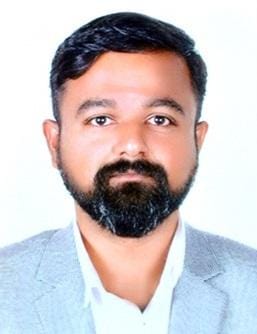
Ramakrishnan S
Regional Manager, Bekaert Sustainable Construction
Industry experience of sustainable concrete reinforcing solutions
using steel fibres
Ir. L.L. olde SCHOLTENHUIS
Associate Professor, Department of Construction Engineering & Management, University of Twente, Netherlands
Digital Twins at the Interface of Underground Infrastructures and Building Energy Renovation Projects
Mirosław J. SKIBNIEWSKI
Professor, Department of Civil Engineering, university of Maryland, USA
Construction 5.0 for Low-Carbon Technologies
Kolluru V.L. SUBRAMANIAM
Professor, Department of Civil Engineering, IIT Hyderabad, India
Insights from LCA analysis of Material-efficient Structural Systems Produced by Concrete Printing
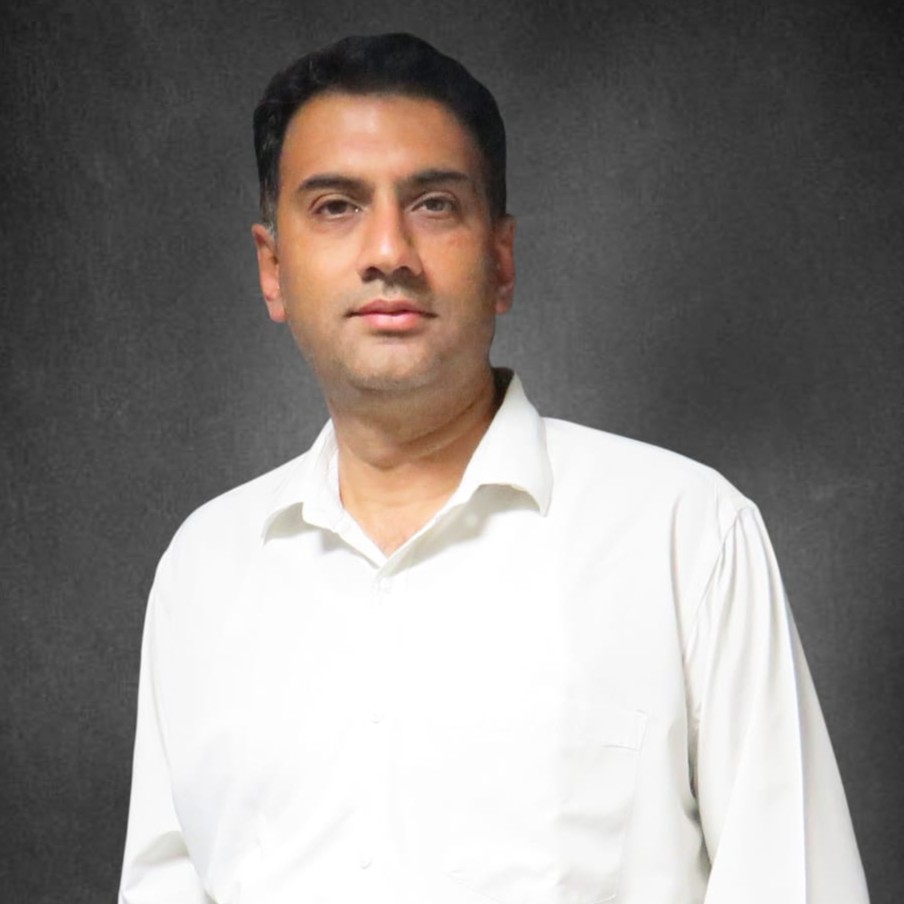
Arjun M V
Director at TRC Engineering
Precast Engineering: The Ancient Blueprint for Modern Construction